The page could not load. Please refresh to try again.

This is taking longer than expected. You can keep waiting or refresh the page.

All apps

TEXT TO IMAGE

AI image generator.
Start with your words.

Describe a scene, a character, or an idea. Choose an image model in MagicCanvas and turn your description into a picture you can refine.

Choose your model and review the cost in Create.Create an image →
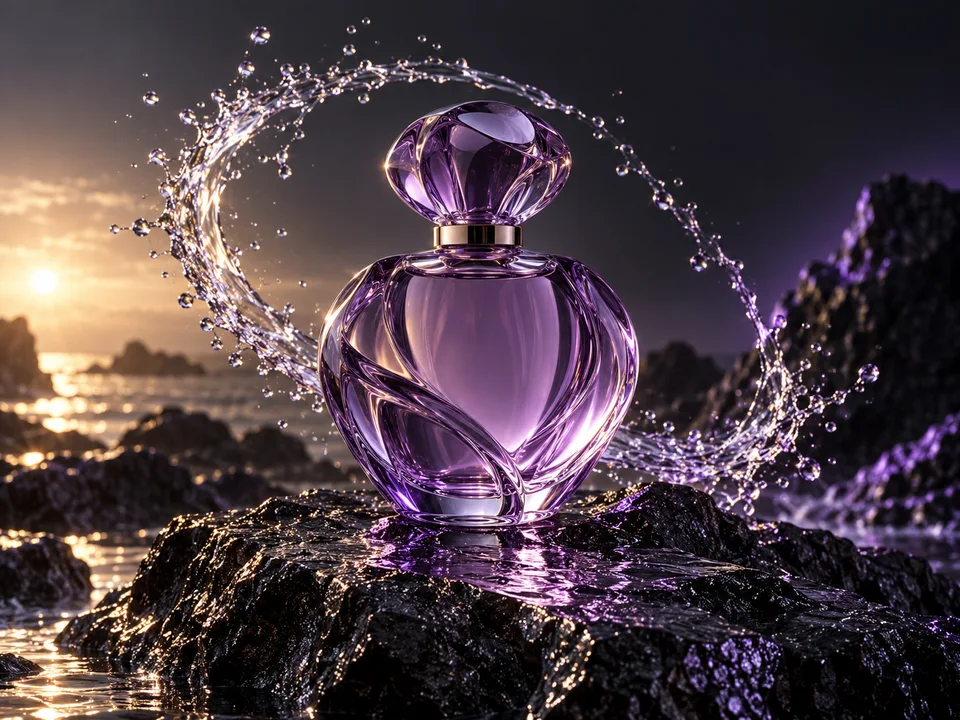
A violet glass perfume bottle surrounded by an arc of water on dark volcanic stone
A campaign concept
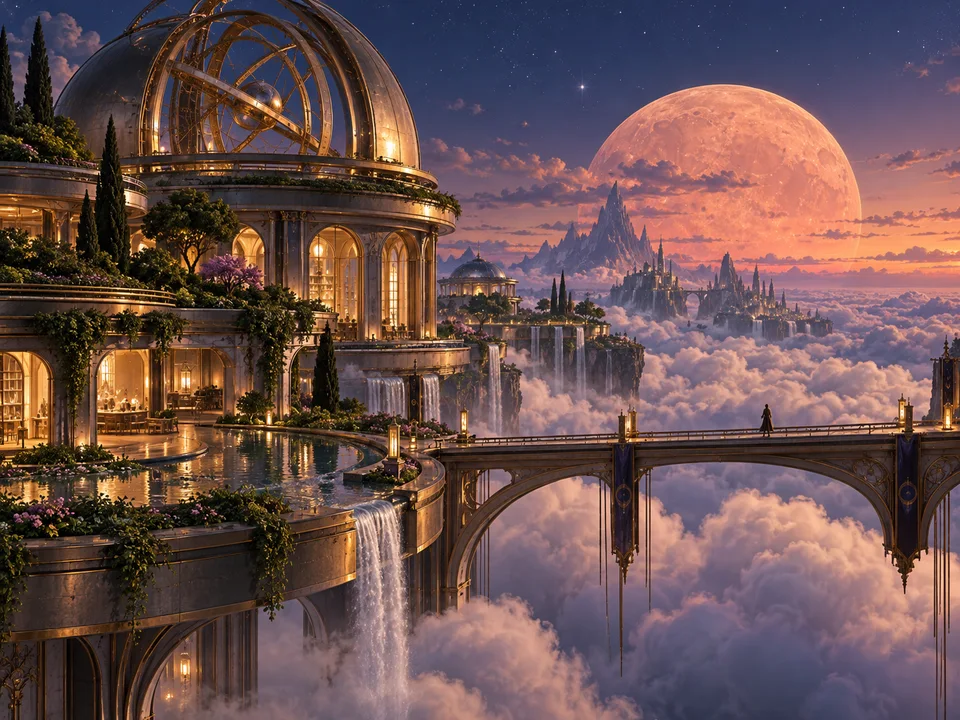
An illuminated observatory above a sea of clouds beneath a peach-colored moon
A place for your story
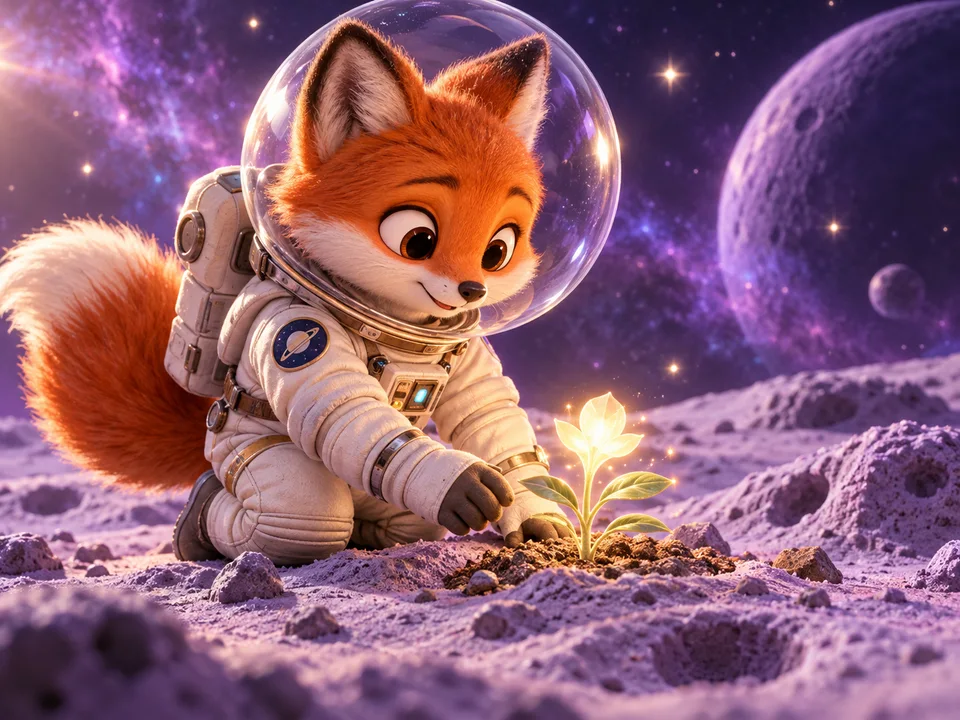
A small fox astronaut tending a glowing plant on a lavender moon
A character moment

From a rough idea to a visual direction

Text to Image creates new pictures from a description. Use it to explore a composition, test an atmosphere, or develop a concept before refining the details.

A campaign concept

Explore lighting, color, and composition for a campaign before planning a shoot. Treat generated product details as concepts, and verify them before using an image to represent a real product.

A sculptural violet perfume bottle on glossy black volcanic stone, an arc of water, lavender rim light and warm sunlight, realistic glass reflections, luxury campaign photography.
Try this prompt →

A place for your story

Build a moodboard for a story, presentation, or travel-inspired design. Describe the atmosphere and viewpoint. Generated scenery is fictional, even when it resembles a real location.

A futuristic bronze observatory above a sea of clouds, lush gardens, a peach-colored moon on the horizon, indigo twilight, warm windows, cinematic environment concept art.
Try this prompt →

A character moment

Try a character idea for social posts or a visual story. Specify the character’s appearance and activity. For a series, review each result for changes in shape, color, and facial details.

A tiny orange fox astronaut in a cream spacesuit and bubble helmet, tending a glowing plant on a lavender moon, tactile fur, curious eyes, warm cinematic rim light, polished 3D illustration.
Try this prompt →

Choose the look. Describe the details.

A style word gives the model a direction. Add a clear subject, a setting, and a few visual details to make the request more specific.

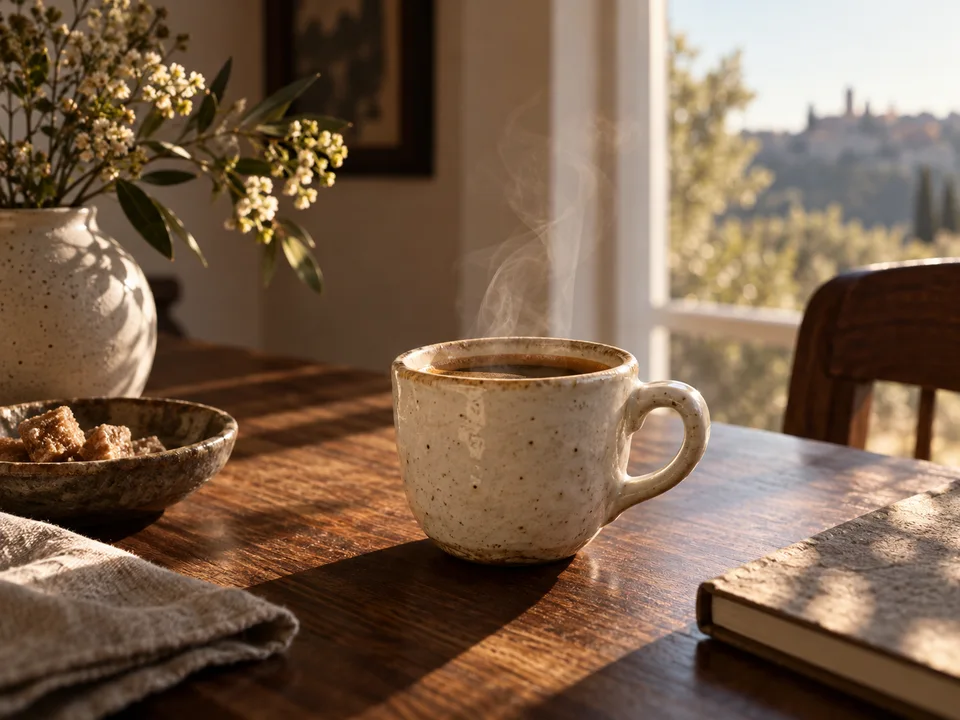
Steam rising from an ivory espresso cup in warm window light

Photography

A ceramic coffee cup on a wooden table, window light, shallow depth of field, realistic editorial photography.

Try photography →
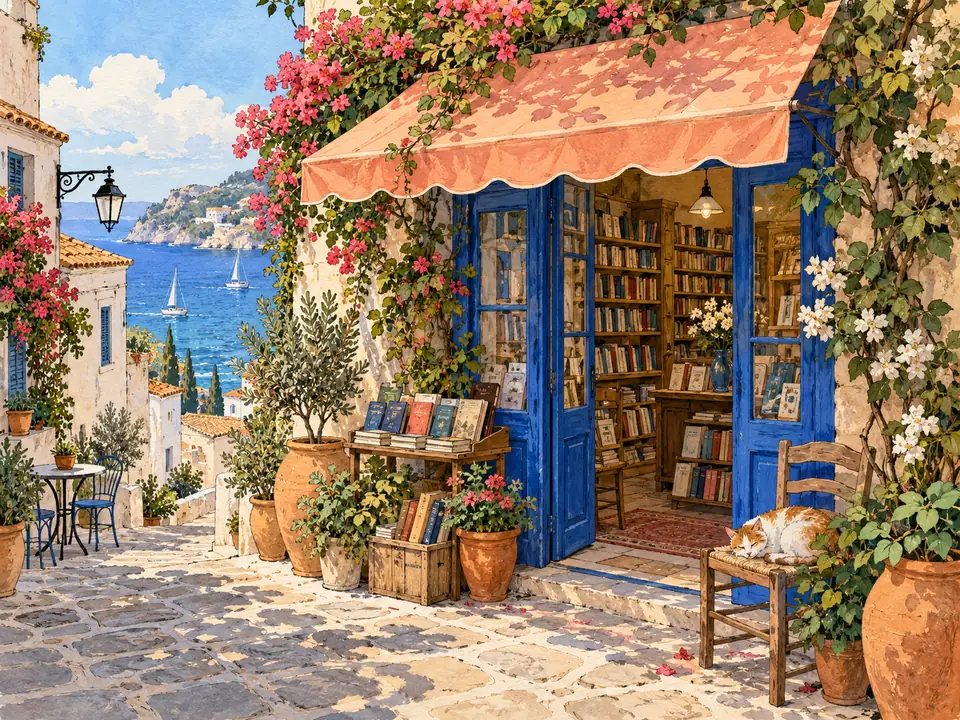
Pastel seaside bookshop with a blue doorway and climbing plants

Illustration

A small seaside bookshop with plants by the door, warm pastel colors, hand-drawn editorial illustration.

Try illustration →
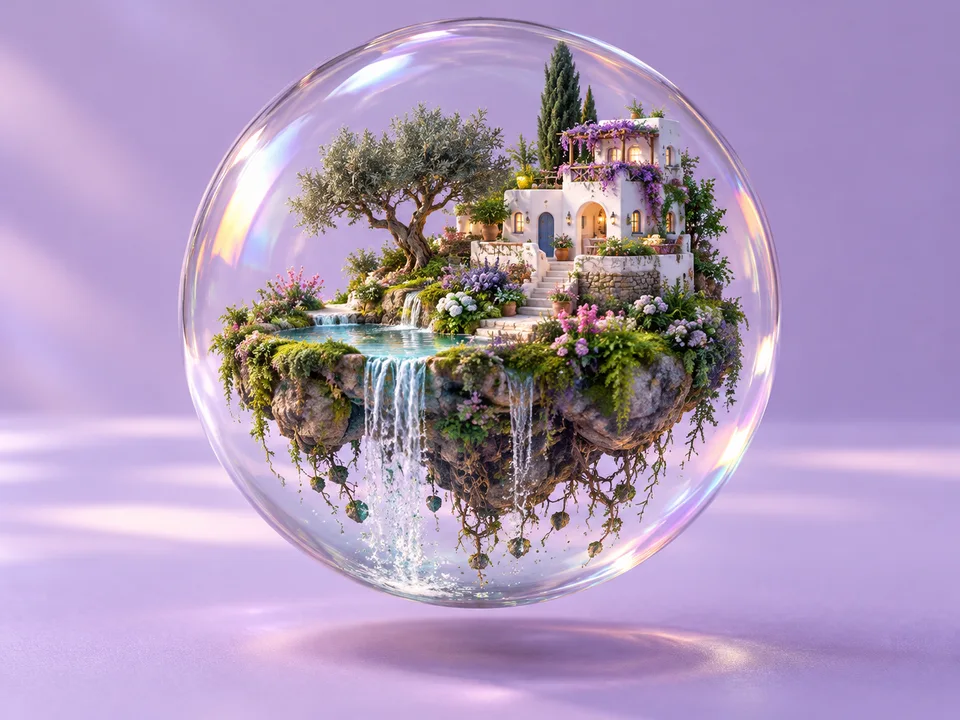
A miniature floating garden and house inside a glass sphere

3D render

A tiny floating garden inside a glass sphere, soft studio lighting, playful 3D render, lavender background.

Try 3d render →
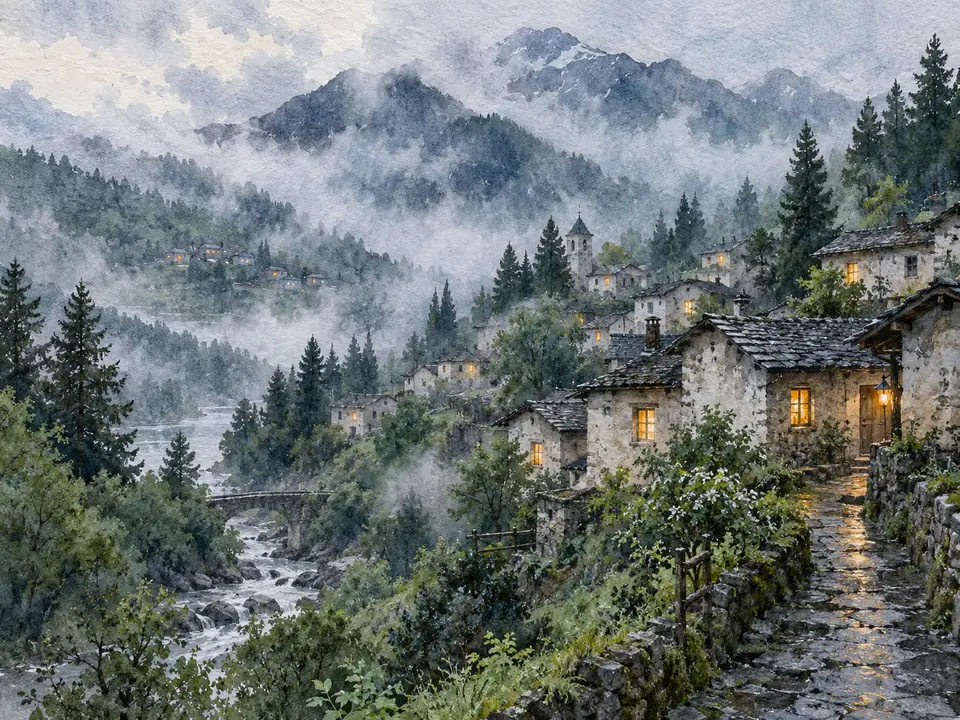
Misty mountain village painted in indigo and sage watercolor

Watercolor

A mountain village after rain, mist between the houses, muted blue and green watercolor washes on textured paper.

Try watercolor →

These examples add style instructions to your prompt. Available generation controls depend on the image model you choose.

HOW IT WORKS

Generate an image in four steps

  1. Describe your idea

    Start with the main subject and setting. Add the viewpoint, lighting, and style you want. You can write a prompt above or try one of the examples.

  2. Choose a model and format

    Continue to Create and pick an available Text to Image model. Choose supported output settings and a shape that fits your project. Review the generation cost.

  3. Generate and refine

    Look at the composition first, then check smaller details. Change one part of the prompt at a time so you can see what helped. Results can vary between generations.

  4. Save or keep creating

    Download the version you want. Use an image-editing tool for a targeted change, or bring the finished image into Image to Video to explore motion.

Text to Image demonstration

Image models in MagicCanvas

Compare output sizes and aspect ratios before choosing a model. For a social post, look for 1:1 or 4:5; for a banner, look for 16:9 or wider. Model availability and settings can change; Create shows the options and price available to your account.

Qwen 2512
Resolution
1k · 2k · 3k
Aspect ratios
1:1 · 3:2 · 2:3 · 3:4 · 4:3 · 9:16 · 16:9
Open in Create ↗
Qwen Image 2.1
Resolution
1k · 2k
Aspect ratios
1:1 · 3:2 · 2:3 · 3:4 · 4:3 · 9:16 · 16:9
Open in Create ↗
Qwen 3
Resolution
1k · 2k
Aspect ratios
1:1 · 3:2 · 2:3 · 3:4 · 4:3 · 9:16 · 16:9
Open in Create ↗
Qwen 3 Pro
Resolution
1k · 2k
Aspect ratios
1:1 · 3:2 · 2:3 · 3:4 · 4:3 · 9:16 · 16:9
Open in Create ↗
Seedream 5.0 Pro
Resolution
1k · 2k
Aspect ratios
1:1 · 3:2 · 2:3 · 3:4 · 4:3 · 9:16 · 16:9
Open in Create ↗
GPT Image 2.5 Flare
Resolution
1k · 2k · 4k
Aspect ratios
auto · 1:1 · 3:2 · 2:3 · 3:4 · 4:3 · 9:16 · 16:9
Open in Create ↗
GPT Image 2.5 Sunburst
Resolution
1k · 2k · 4k
Aspect ratios
auto · 1:1 · 3:2 · 2:3 · 3:4 · 4:3 · 9:16 · 16:9
Open in Create ↗
GPT Image 2
Resolution
1k · 2k · 4k
Aspect ratios
auto · 1:1 · 3:2 · 2:3 · 3:4 · 4:3 · 9:16 · 16:9
Open in Create ↗
Nano Banana
Resolution
1k · 2k · 4k
Aspect ratios
1:1 · 3:2 · 2:3 · 3:4 · 4:3 · 4:5 · 5:4 · 9:16 · 16:9 · 21:9 · 1:4 · 4:1 · 1:8 · 8:1
Open in Create ↗
Nano Banana Pro
Resolution
1k · 2k · 4k
Aspect ratios
1:1 · 3:2 · 2:3 · 3:4 · 4:3 · 4:5 · 5:4 · 9:16 · 16:9 · 21:9
Open in Create ↗
Nano Banana 2.1
Resolution
1k · 2k · 4k
Aspect ratios
1:1 · 3:2 · 2:3 · 3:4 · 4:3 · 4:5 · 5:4 · 9:16 · 16:9 · 21:9 · 1:4 · 4:1 · 1:8 · 8:1
Open in Create ↗
Nano Banana 2
Resolution
1k · 2k · 4k
Aspect ratios
1:1 · 3:2 · 2:3 · 3:4 · 4:3 · 4:5 · 5:4 · 9:16 · 16:9 · 21:9 · 1:4 · 4:1 · 1:8 · 8:1
Open in Create ↗
Nano Banana 2 Fast
Resolution
2k · 4k
Aspect ratios
1:1 · 3:2 · 2:3 · 3:4 · 4:3 · 4:5 · 5:4 · 9:16 · 16:9 · 21:9 · 1:4 · 4:1 · 1:8 · 8:1
Open in Create ↗

A useful prompt is specific, not complicated

Try this structure: subject + setting + composition + light + style. Start with the part of the image that matters most. Avoid asking for several conflicting styles or unrelated subjects in the same request.

A starting idea

A coffee shop.

A clearer direction

A small corner coffee shop on a rainy street, warm light through the windows, eye-level view, muted colors, watercolor illustration.

Leave space for a headline when planning a banner. For precise lettering, add the final text in a design editor. Check faces, hands, product labels, and repeated patterns before publishing a generated image.

The first image is a starting point

Use a focused editing tool when you want to change one part of a result. Keep your original image so you can compare versions as you work.

Text to Image questions

What is a text-to-image generator?

It creates a new image from a written description. Your prompt guides the subject, setting, visual style, and composition. It generates a result rather than searching for a matching stock photo.

How do I generate an image in MagicCanvas?

Describe your idea on this page and continue to Create. Select an available image model and settings, review the cost, then generate. Inspect the result and refine the prompt if you want another version.

Do I need to upload a photo?

No. Text to Image starts from a description. If you already have a photo you want to change, use Image Edit in Create or AI Replace instead.

Which image models can I use?

The model section lists the Text to Image options returned by the current catalog. Availability, output sizes, and costs can change or depend on your account. The model picker in Create shows the options available when you generate.

Is AI image generation free?

Generation uses credits or diamonds. The amount depends on the model and settings. Check the price next to Generate in Create and review the plans page for account options.

Can I choose a style and aspect ratio?

Describe a style in your prompt, such as photography, watercolor, or 3D illustration. Choose an aspect ratio from the settings supported by your selected model in Create. Style examples on this page add prompt text; they are not separate model presets.

Can AI generate readable text inside an image?

Text quality varies by model and prompt. Check spelling and letter shapes carefully. For exact headlines, labels, or legal text, leave space in the image and add the final typography in a design editor.

Will the same prompt always produce the same picture?

Not necessarily. Generations can vary even with similar instructions. Keep a copy of prompts you like and compare results before deciding which version to use.

Can I use an image for a commercial project?

Check MagicCanvas’s terms, the selected model’s applicable terms, and any third-party rights relevant to your intended use. Do not assume that generated logos, likenesses, or characters are cleared for commercial use.

Can I turn my generated image into a video?

Yes. Download or select your finished image and use Image to Video to describe how it should move. Review the video for changes to the subject and other details.

What should I check before publishing?

Inspect hands, faces, text, product details, and repeated patterns. AI images can contain errors or resemble existing work. Make sure the image fits your intended use and avoid presenting a generated scene as documentary evidence.
Plans and creditsPrivacyTerms of service

What do you want to picture?

Start with a few words. Refine the image as your idea takes shape.

Create an image →